Are you looking to expand your footprint in Tarrant County, or are you inadvertently creating a legal and financial liability on your own land?
In Keller and the surrounding North Texas communities, the distinction between an "Accessory Dwelling Unit" (ADU) and a "Guest House" isn't just a matter of semantics: it’s a matter of zoning compliance, structural integrity, and long-term property value. At PRO Construction, we’ve spent over 25 years navigating the complex regulatory landscapes of the DFW Metroplex. We’ve seen homeowners' dreams stalled by building inspectors because they didn't understand the "site feasibility" of their project before breaking ground.
Whether you are looking to provide a safe haven for aging parents or seeking to maximize your property's legacy, choosing the right structure is the first step in a high-stakes investment.
The Core Distinction: Kitchens and Codes
While many people use the terms interchangeably, the City of Keller and Tarrant County officials do not. The primary differentiator between an accessory dwelling unit in Tarrant County and a standard guest house is the presence of independent living facilities.
What Defines an ADU?
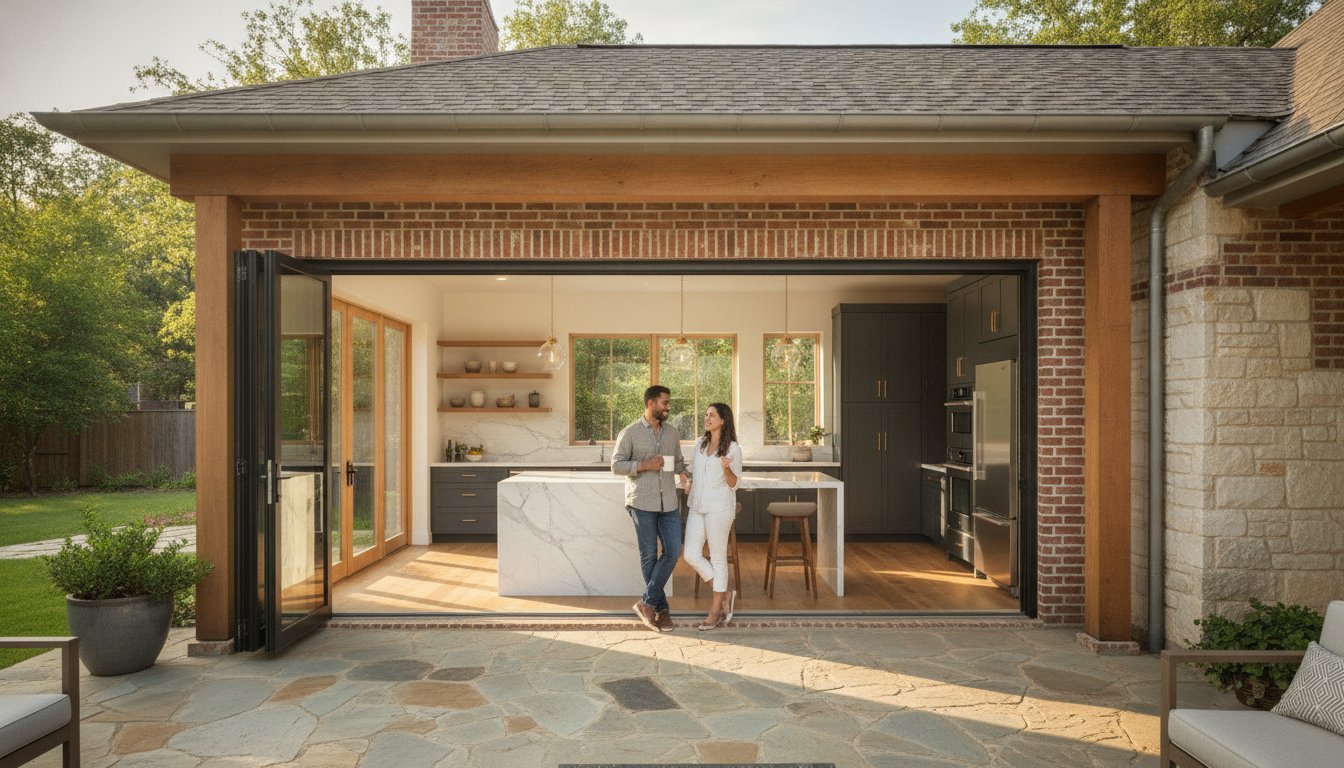
An ADU is a self-contained dwelling unit. By definition, it includes its own kitchen, bathroom, and sleeping area. In the eyes of the law, this is a second residence on your lot. This classification allows for independent living, which is ideal for multi-generational families or potential rental income, provided your specific zoning district (such as SF-36 or SF-12) permits it.
What Defines a Guest House?
A guest house, or "accessory building" in local code, is often a structure that lacks a full kitchen. It is an extension of the primary home: a place for guests to sleep or a quiet home office: but it is not legally classified as a "dwelling unit."
The Risk: If you install a stove or full kitchen in a structure permitted only as a guest house, you are in violation of Keller’s municipal code. This can lead to heavy fines, the forced removal of expensive plumbing and cabinetry, and significant hurdles when you eventually try to sell your home.

Navigating Keller and Fort Worth Zoning Regulations
As ADU builders in North Texas, we handle the "stress-free" heavy lifting of permitting and code compliance. Keller’s regulations are precise, and failure to adhere to them can compromise your project's structural integrity and legal standing.
- The 50% Rule: In Keller, the combined area of all accessory buildings must be less than 50% of the size of your main house.
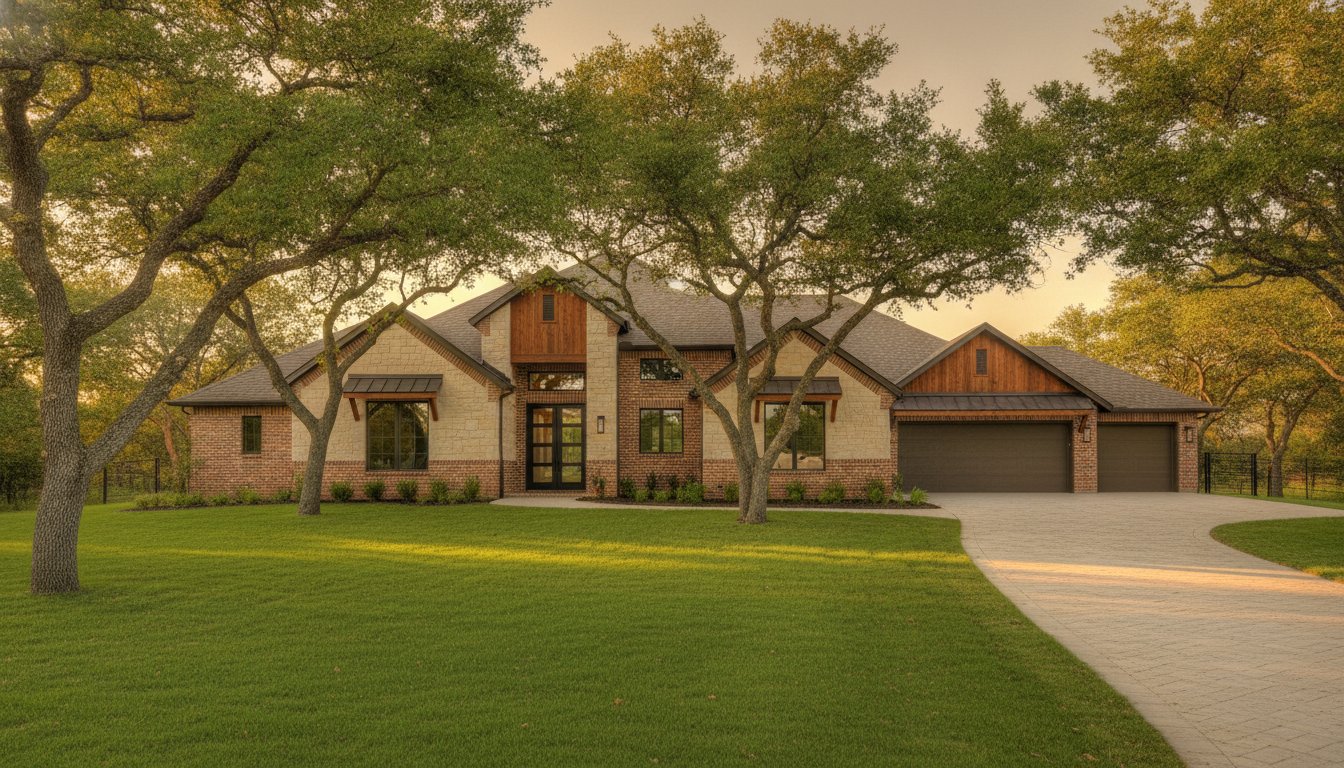
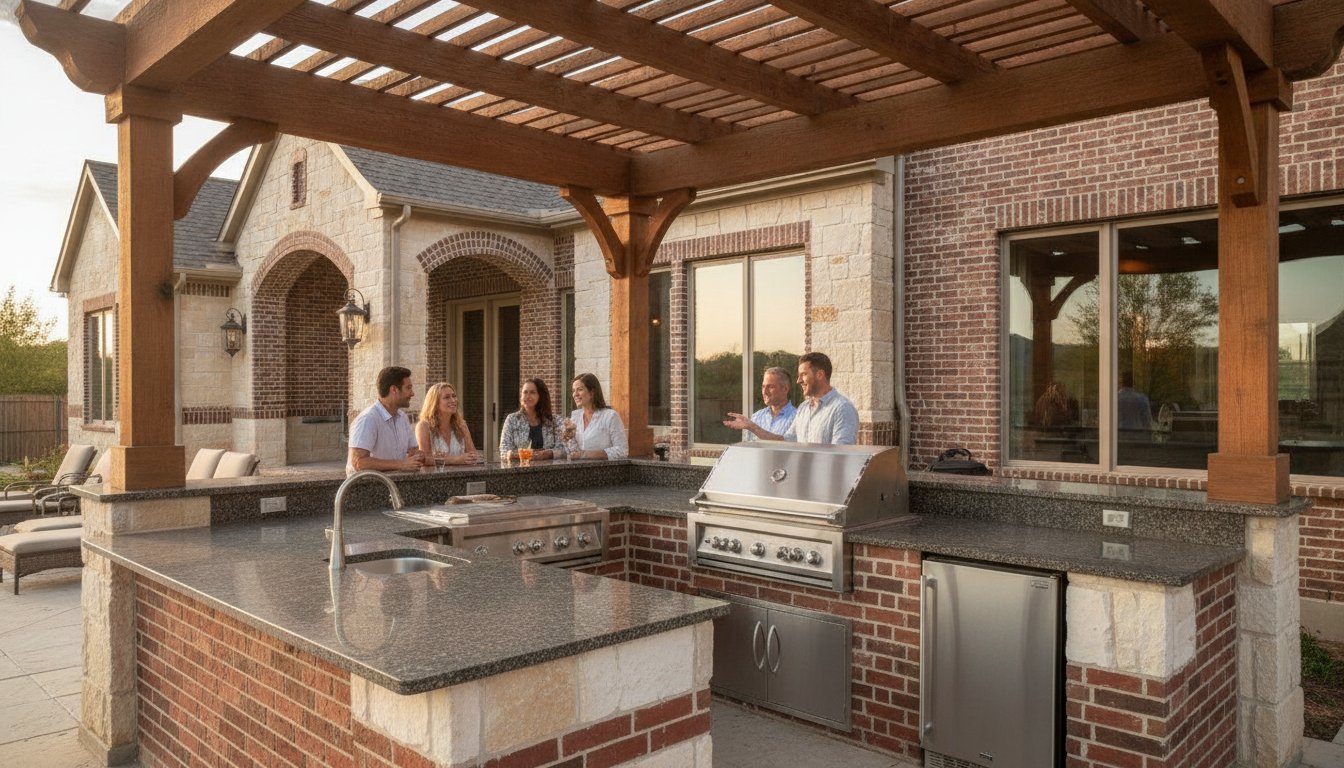
- Exterior Consistency: For any structure over 200 square feet, the exterior materials must match or complement the main house. This usually means brick or stone masonry. At PRO Construction, we ensure your ADU looks like a seamless extension of your property, not a mismatched afterthought.
- Foundation Standards: Any building over 400 square feet or taller than 10 feet requires an engineered, permanent foundation. We prioritize post-tension slabs or pier-and-beam solutions based on your specific soil conditions to prevent future settling and cracks.
- Setbacks and Easements: Even the most beautiful ADU is a liability if it encroaches on a utility easement or violates side-yard setbacks. We conduct thorough site feasibility studies to ensure every inch of your build is protected by law.
Planning for Longevity: Design and Materiality
We believe in honest, steady work that stands the test of time. That’s why we often recommend starting with a proven foundation. Many of our clients find inspiration through Architectural Designs, which offers a wide array of ADU and guest house plans that we can customize to meet Keller’s specific masonry requirements and your personal aesthetic.
When building an ADU, we focus on:
- Load-Bearing Precision: Ensuring the structure can handle North Texas wind loads and weather extremes.
- Utility Coordination: Properly routing sewage, water, and electrical lines: a task that requires expert oversight to avoid future maintenance nightmares.
- Energy Efficiency: Utilizing modern insulation and high-performance windows to keep your guests (or family members) comfortable in the Texas heat.

Financial Protection and Your Investment
Building an ADU is a significant financial commitment, but it is also a powerful tool for building a custom home legacy. It adds square footage and utility to your property, which: when done correctly: substantially increases your home’s market value.
To make these projects accessible, we offer flexible financing options. We recommend speaking with Gus Moreland at First United Bank Mortgage Group, who understands the unique appraisal value of accessory units in our region. You can learn more about our financing options on our website.
Furthermore, we take pride in supporting those who serve our community. We offer exclusive discounts for:
- Senior Citizens
- First Responders
- Teachers
- Military Personnel
Why Trust PRO Construction?
In an industry where fly-by-night contractors are all too common, PRO Construction stands on a foundation of 25 years of local experience. We aren't just builders; we are stewards of your investment.
- Top 1% BuildZoom Ranking: Our score of 137 places us among the elite contractors in the entire state of Texas.
- Transparent Pricing: We provide clear, itemized quotes so there are no surprises midway through the project.
- Local Experts: From Southlake to Grapevine and Flower Mound to Denton, we know the local inspectors and the local soil. We know what works in North Texas.
Whether you need a full ADU for an "aging in place" suite or a refined detached garage with a guest loft, our team manages every detail: from the first permit to the final inspection.

Key Takeaways
| Feature | Accessory Dwelling Unit (ADU) | Guest House / Accessory Building |
|---|---|---|
| Kitchen | Full kitchen permitted | Generally prohibited/limited |
| Living Use | Independent, permanent residence | Temporary guests or office |
| Zoning | Strictly regulated by district | More broadly permitted (with rules) |
| Value Add | High (Potential rental/resale) | Moderate (Enhanced utility) |
| Materials | Must match main house (>200sq ft) | Must match main house (>200sq ft) |
Frequently Asked Questions
Do I need a permit for an ADU in Keller?
Yes. Any structure over 120 square feet requires a building permit. For ADUs, the process involves site plan approval and multiple inspections throughout the build.
Can I rent out my ADU in Tarrant County?
This depends heavily on your specific municipal zoning and HOAs. In many parts of Keller and Fort Worth, ADUs are intended for family use or long-term guests, and short-term rental (like Airbnb) may have specific restrictions. We can help you research your specific address.
How much does it cost to build an ADU?
Costs vary based on size, materials, and utility connections. However, PRO Construction is committed to transparent pricing and helping you find a design that fits your budget without compromising on quality.
How long does the construction process take?
A typical ADU build can take anywhere from 4 to 8 months, depending on the complexity of the design and the speed of the city's permitting office.
Ready to explore the possibilities for your property?
Don’t leave your legacy to chance. Contact PRO Construction today at (817) 372-0211 or visit our contact page to schedule a consultation with our expert team. We’ll help you navigate the codes and build a space that provides safety, comfort, and financial protection for years to come.