

What if your backyard could solve your family’s housing needs while adding lasting value to your property? Most homeowners in Tarrant County recognize that adding a secondary suite is a smart investment, but the process often feels like a gamble against shifting North Texas clay and the complex requirements of SB 1412. You deserve a seamless addition that matches your main house perfectly. However, finding a reliable ADU builder Fort Worth families can depend on is often more difficult than the construction itself. It’s frustrating to deal with contractors who leave you to handle the red tape or ignore the unique structural demands of our local soil.
We believe in providing the honest, steady work you expect from a neighbor with 25 years of local experience. This guide will help you navigate the 2026 building landscape, from maximizing your project’s utility to mastering the latest zoning regulations. We’ll show you how to identify a partner who offers a complete turnkey experience, managing every permit and inspection so you can stay focused on your vision. By the end of this guide, you’ll have a clear roadmap to building a durable, high-quality space that enhances your home and your peace of mind.
Key Takeaways
- Explore how 2026 market trends in Tarrant County turn Accessory Dwelling Units into powerful tools for multi-generational living and long-term rental income.
- Compare the pros and cons of detached backyard cottages and garage conversions to find the most functional expansion for your specific property.
- Navigate complex Fort Worth zoning codes and Texas SB 1412 regulations with a clear roadmap for permitting and parking requirements.
- Learn why partnering with a top-rated ADU builder Fort Worth homeowners trust ensures your project benefits from local structural expertise and a “top 1%” BuildZoom ranking.
- Understand the essential phases of the build process, from site feasibility to engineering foundations specifically designed for North Texas soil.
The Value of Adding an ADU in Fort Worth (2026 Market Update)
An Accessory Dwelling Unit (ADU) is a self-contained living space located on the same lot as a standalone single-family home. In 2026, Tarrant County continues to experience a 2.1% annual population growth rate, which has placed a significant squeeze on available housing. Fort Worth homeowners are responding by looking inward at their own property lines. Building a backyard home is no longer just a trend; it’s a practical response to a changing urban landscape. Partnering with a seasoned ADU builder Fort Worth families trust ensures that these structures are durable, well-planned, and fully compliant with local zoning laws.
The return on investment for a permitted ADU in North Texas has reached new heights. Recent real estate data indicates that a well-constructed secondary suite can increase a property’s total market value by 25% to 35%. This value is driven by the 2026 housing demand, where buyers prioritize flexible spaces that can adapt to different life stages. Whether you’re looking to house a family member or build a high-quality rental, these units provide “honest, steady work” for your equity. We focus on a benefit-first approach, ensuring your new build adds both comfort and long-term financial security.
Multi-Generational Living in North Texas
Families in Keller and Southlake are leading the shift toward multi-generational households. An ADU provides a private sanctuary for aging parents, allowing them to maintain their independence while remaining close to their support system. It also serves as a refined space for the 19% of adult children in Texas who have returned home to save for their own future. You get to keep your personal privacy while enjoying the emotional benefit of having your loved ones just a few steps away. These units are designed with high-quality finishes that mirror the main home, ensuring the backyard stays beautiful and functional.
Generating Passive Income with a Backyard Rental
The rental market for high-end ADUs in Grapevine and Argyle is exceptionally strong in 2026. Homeowners are seeing steady cash flow from long-term tenants who prefer the privacy of a backyard home over a crowded apartment complex. Monthly rents for modern, one-bedroom units in Tarrant County often range from $1,600 to $2,300. To ensure your investment remains truly passive, working with Parkerson Property Management can help streamline tenant screening and property upkeep. You should also consider the tax implications, as a new structure will shift your property value and local tax assessments. Our team manages the start-to-finish coordination, from permitting to final inspections, so you can focus on the reward of your new income stream. We treat every project with the discipline and transparency you’d expect from a neighbor.
Choosing the Right ADU Type for Your Property
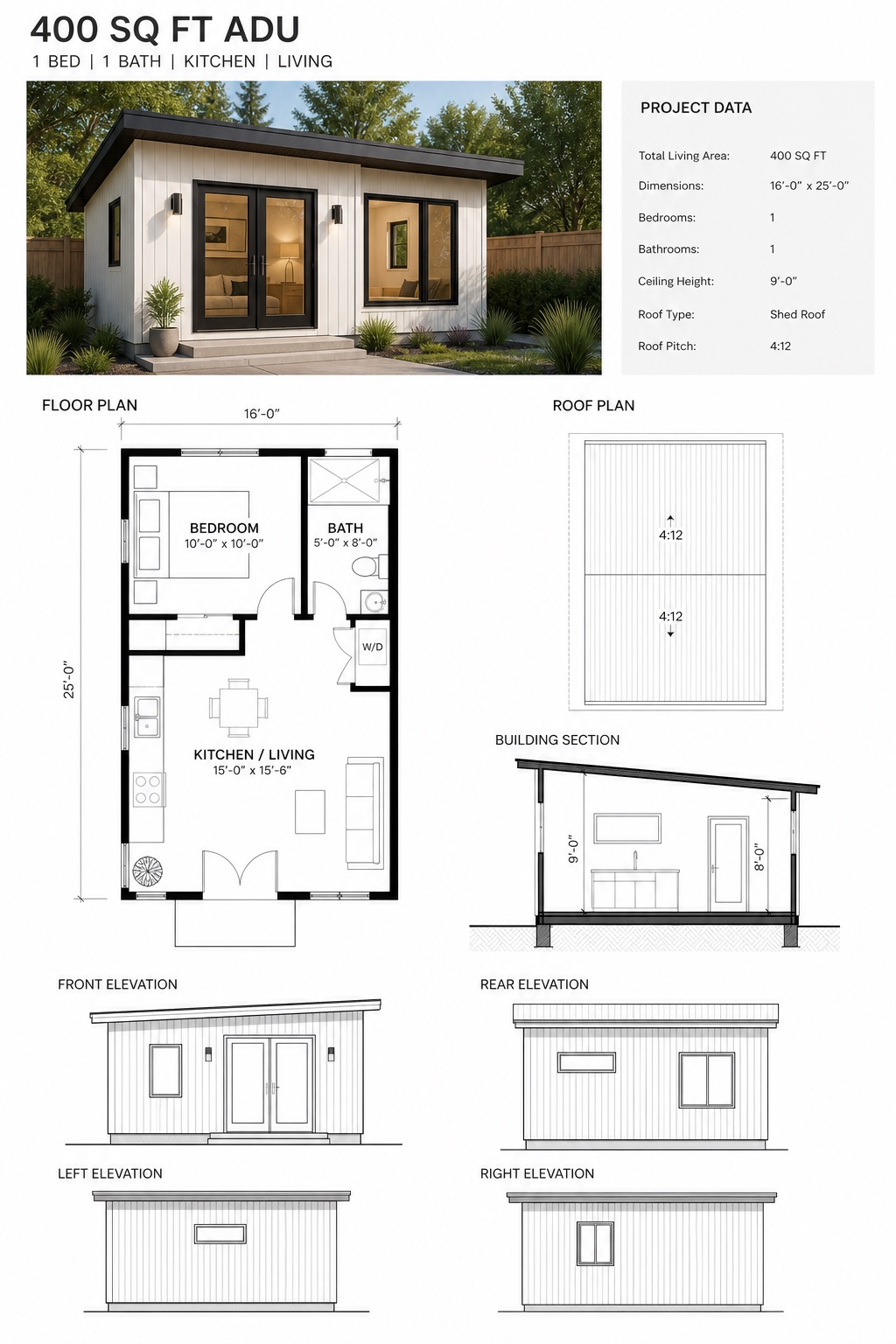
Selecting the right structure for your lot is the foundation of a successful project. Your choice impacts your budget, construction timeline, and how the new space functions for your family. As a seasoned ADU builder Fort Worth homeowners rely on, we focus on three main categories that provide the best return on investment and long-term durability. Every property in Tarrant County has unique constraints, so we start by looking at what your specific land allows.
- Standalone Backyard Cottages: These detached units offer the highest level of privacy. They’re perfect for long-term rentals or guest houses, and utilizing pre-engineered systems from Bradberry Steel can ensure the structure is durable and built to last. While they require more site preparation, they provide a completely independent living experience.
- Garage Conversions: This is often the fastest way to add square footage. You’re utilizing an existing footprint, which can save on foundation costs if the original slab is in good condition.
- Attached ADUs and Junior ADUs (JADUs): These units share at least one wall with your main home. A JADU is typically smaller than 500 square feet and stays within the existing walls of your house, making it a cost-effective option for housing aging parents.
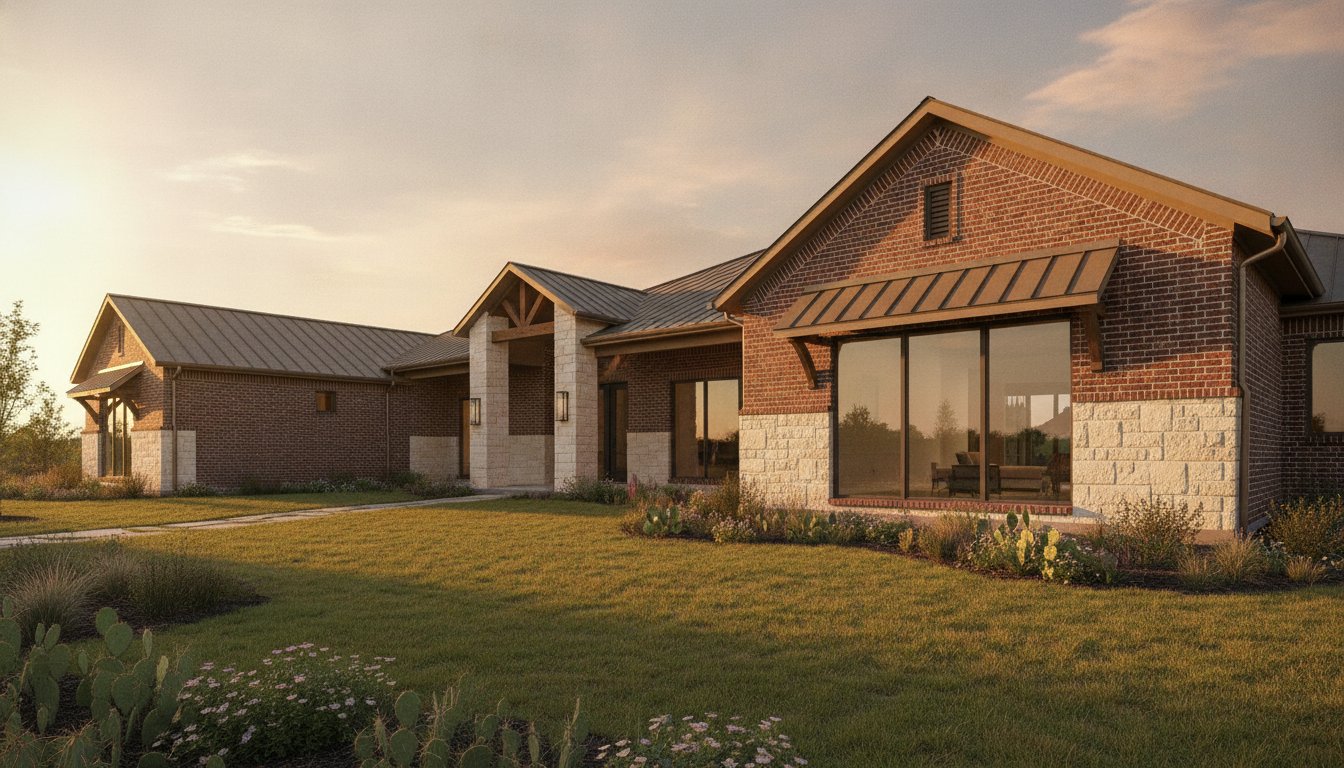
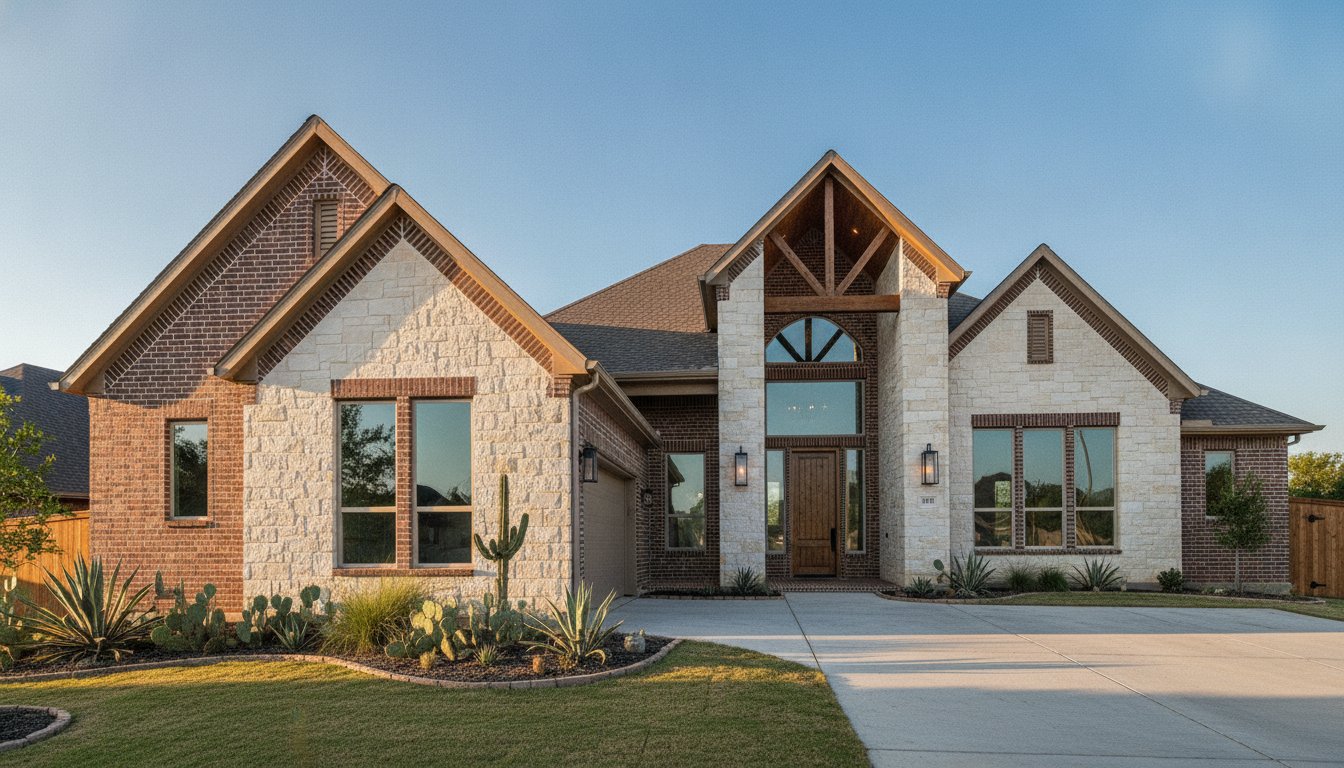
Matching the architecture is vital for maintaining your home’s curb appeal. We ensure the roofline, siding, and trim colors mirror your primary residence. When a project is finished, it should look like it was part of the original design. A well-planned ADU doesn’t just add space; it adds value. If the materials don’t match, the unit looks like an afterthought. We source matching brick or specific siding profiles to ensure the transition between old and new is seamless.
Standalone vs. Attached: Which Fits Your Lot?
Lot size is the biggest factor in Fort Worth and North Richland Hills. Most local zoning codes require a minimum lot size of 5,000 square feet for a detached unit. You also need to consider setbacks, which are the required distances from your property lines. Detached units often require separate utility hookups for water and sewer, which adds complexity to the digging process. Attached units are often easier to plumb because they can tap into the main home’s existing systems. Consulting with a partner dedicated to quality craftsmanship helps you determine which path fits your backyard best.
Garage Conversions: The Structural Checklist
Don’t assume your garage is ready for residents just because it has walls. We start by assessing the foundation integrity. Most garage slabs weren’t poured with a vapor barrier, which is essential for preventing moisture from ruining your new flooring. Texas summers are brutal, so we prioritize high R-value spray foam insulation and dedicated mini-split HVAC systems to keep the space livable when it hits 105 degrees. You’ll also need a full electrical panel upgrade. Most older garages only have one or two 15-amp circuits, but a kitchen and bathroom require significantly more power to meet current safety codes. Our team manages these technical details to ensure your conversion is safe, legal, and comfortable.
Navigating Fort Worth ADU Regulations and Permits
Texas Senate Bill 1412, signed into law in June 2023, changed the landscape for every ADU builder Fort Worth homeowners choose to partner with. This landmark legislation effectively legalized “granny flats” across the state by limiting the ability of cities to ban these structures on residential lots. While the state law provides a broad green light, local Fort Worth municipal codes still govern the specifics of how and where you can build. Understanding these local nuances is the difference between a smooth project and a costly legal headache.
The city has moved toward a more streamlined approach, yet homeowners must still account for “Permit-Ready” designs. These are pre-approved architectural templates that meet Tarrant County safety standards, which can cut weeks off the traditional approval timeline. Using these designs ensures your project moves quickly from the planning phase to the first shovel in the ground. It’s a practical way to bypass the common bottlenecks found in the city’s Planning and Development Department.
Zoning and Setback Requirements
Fort Worth residential codes generally require a 5-foot setback from the side and rear property lines for any detached accessory structure. If you’re planning a two-story ADU to maximize a small backyard, height restrictions usually cap the building at 20 feet or the height of your primary house, whichever is lower. We also look closely at what lies beneath the surface. Utility easements for sewer or power lines can restrict your building footprint. Identifying these early through a professional survey prevents your project from encroaching on protected land, ensuring your investment remains protected and compliant.
The Permitting Process: A Step-by-Step Roadmap
The path to a legal ADU follows a logical, steady progression. It begins with a site feasibility study to verify your lot’s drainage and utility capacity. Once the survey is complete, you’ll need to submit detailed structural, electrical, and plumbing plans to the city. Working with Fort Worth building inspectors requires a high level of organization and technical knowledge to meet the 2023 National Electrical Code and local fire safety requirements.
- Site Feasibility: Confirming your land can support the structure and utility hookups.
- Plan Submission: Providing the city with engineered drawings that meet all local safety codes.
- Phased Inspections: Coordinating visits from city officials during the foundation, framing, and final completion stages.
Managing this “red tape” is where PRO Construction excels. We bring 25 years of experience and a top 1% BuildZoom ranking to every project, acting as your partner throughout the entire bureaucratic process. We also help navigate the specific hurdles of Homeowners Associations (HOAs) in communities like Keller and Southlake. While SB 1412 eased city-level restrictions, private HOAs often have their own deed restrictions regarding exterior materials and visibility. We focus on “Honest, Steady Work” to ensure your ADU provides long-lasting value while staying fully within the bounds of both state law and neighborhood rules.

The PRO Construction Build Process: Honest, Steady Work
Building an accessory dwelling unit requires more than just a blueprint; it demands a disciplined, step-by-step approach that respects your property and your time. With over 25 years of experience in the North Texas region, we’ve refined a four-phase system designed to eliminate guesswork. As a premier ADU builder Fort Worth residents trust, we handle the heavy lifting of construction management, permitting, and inspections so you can focus on your family’s future.
- Phase 1: Consultative Design and Site Feasibility – We start by analyzing your lot’s topography and local zoning laws to ensure your vision is legally and physically viable.
- Phase 2: Structural Engineering and Foundation – We design a foundation specifically for the local environment, focusing on stability and long-term durability.
- Phase 3: The Build – This phase covers everything from framing and utility integration to high-end finishes that add comfort and function.
- Phase 4: Final Inspections and Turnkey Handover – We manage all municipal approvals and walk you through every detail of your new space before handing over the keys.
Why Foundation and Structure Matter Most
Fort Worth is famous for its expansive clay soil, which can shift significantly during seasonal moisture changes. Statistics from geological surveys in North Texas indicate that soil volume can change by as much as 10 percent between dry and wet cycles. This movement puts immense pressure on a building. We use seasoned building techniques to ensure your ADU remains level and crack-free for decades. If your project involves integrating an ADU into an existing home, we specialize in structural wall removal. This process requires precise engineering to maintain the integrity of your original house while creating a seamless flow into the new space. Our top 1% BuildZoom ranking reflects our commitment to these technical details that many contractors overlook.
Design-Build: A Collaborative Approach
Choosing a design-build model means you have a single point of contact from the first sketch to the final coat of paint. We act as your partner rather than just a contractor, keeping you informed at every milestone. This collaborative mindset allows us to customize floor plans that prioritize both comfort and function. We help you select durable, high-quality materials that stand up to the Texas heat and daily wear. Whether you are building a mother-in-law suite or a backyard rental, working with an experienced ADU builder Fort Worth expert ensures your investment is well-planned and executed with integrity. We take pride in our “honest, steady work,” ensuring your project is completed with the same care we would give our own homes.
Ready to start your project with a team that values reliability and craftsmanship? Partner with a dedicated construction company today to discuss your vision.
Partnering with a Trusted Fort Worth ADU Builder
Building an Accessory Dwelling Unit is a major investment in your property’s equity. Choosing a local ADU builder Fort Worth families trust ensures your project respects the specific zoning laws of Tarrant County. While out-of-state contractors might offer flashy templates, they often lack the nuanced understanding of soil conditions in Keller or the strict setback requirements in Argyle. Local expertise means your project moves through the permitting office without unnecessary delays or expensive revisions. We know the local inspectors and the specific building codes that keep your structure safe and legal.
Our team brings 25 years of residential construction experience to every job site. Since 1999, we’ve focused on durable craftsmanship that stands up to the North Texas climate. Our Top 1% BuildZoom ranking places us among the highest-rated professionals out of more than 3.5 million licensed contractors nationwide. This ranking isn’t just a number; it’s a verified record of successful permits, passed inspections, and consistent project completions. We don’t just claim quality; we prove it through decades of documented performance.
We believe in supporting those who serve our community. We provide dedicated discounts for teachers, military personnel, and first responders. It’s part of our commitment to being a neighborly business that values civic duty as much as construction quality. When you work with us, you’re partnering with a team that’s deeply invested in the longevity of the local landscape.
The “Reliable Craftsman” Difference
We prioritize honest, steady work over the high-pressure sales tactics common in the industry. You’ll receive transparent pricing and fixed-price contract options to ensure your budget remains predictable from day one. Our team manages the start-to-finish coordination, handling everything from initial site prep to the final inspection. This comprehensive management style removes the burden of scheduling plumbers, electricians, and inspectors from your shoulders, providing you with a single point of contact and total peace of mind.
Getting Started on Your Backyard Transformation
Your journey begins with a detailed site consultation anywhere in Tarrant County. We’ll assess your lot, discuss utility connections, and determine the best placement for your new structure. Before we meet, it’s helpful to prepare a wishlist for your new space to help us understand your vision. Consider your needs for:
- Full kitchen layouts versus efficient kitchenettes
- Bathroom accessibility and walk-in shower options
- Living area storage and built-in shelving
- Natural lighting through strategic window placement
- Energy-efficient insulation and dedicated HVAC systems
Ready to expand your home’s footprint with a professional ADU builder Fort Worth? Partner with PRO Construction for your ADU project today!
Start Your Fort Worth Property Transformation Today
Adding an accessory dwelling unit is a smart investment for the 2026 North Texas housing market. It provides essential space for multi-generational living or a steady rental stream. You’ve learned how to navigate local regulations and why choosing a seasoned ADU builder Fort Worth residents rely on is the key to a stress-free project. PRO Construction offers 25 years of North Texas building experience to help you avoid common permitting pitfalls and construction delays.
Our team holds a top 1% BuildZoom ranking, which reflects our commitment to honest, steady work. We don’t just build structures; we build relationships with our neighbors. That’s why we provide special discounts for the pillars of our community, including teachers, military personnel, and first responders. You can trust our seasoned craftsmen to manage every detail from the first permit to the final coat of paint. Let’s work together to create a durable, high-quality space that serves your family for decades to come.
Start Your ADU Consultation with Fort Worth’s Trusted Partner
Frequently Asked Questions
Is an ADU allowed on my property in Fort Worth?
Yes, Fort Worth allows Accessory Dwelling Units (ADUs) on most residential lots zoned for single-family homes. According to the City of Fort Worth 2023 zoning updates, you can build one ADU per lot as long as it stays behind the main house. We recommend checking your specific property zoning map on the city website to confirm compliance with 5-foot side and rear setback requirements. This neighborly check ensures your project starts on solid ground.
How much does it cost to build an ADU in Tarrant County?
Building an ADU in Tarrant County typically costs between $150 and $350 per square foot based on 2025 industry benchmarks for North Texas. Total project costs often range from $100,000 for simple conversions to over $250,000 for detached units. As an ADU builder Fort Worth homeowners trust, we offer special discounts for teachers, first responders, and military personnel to help manage these costs. We focus on durable, high-quality work that provides lasting value.
Can I build an ADU if I have an HOA in Keller or Southlake?
You must check your specific Homeowners Association (HOA) bylaws because they often override city permissions in Keller and Southlake. While Fort Worth and surrounding cities are becoming more flexible, many HOAs in Tarrant County still prohibit detached secondary structures. We’ve seen about 40% of local HOAs allow these builds if they match the main home’s aesthetic. It’s best to get written approval from your board before you invest in the design phase.
How long does the ADU construction process typically take?
A typical ADU project takes between 6 and 10 months from the initial design to the final inspection. The permitting phase in Fort Worth usually requires 4 to 8 weeks, while the actual construction takes 5 to 7 months. Our team manages the entire timeline to ensure honest, steady work. This start-to-finish coordination is why we maintain a top 1% BuildZoom ranking and a reputation for reliable craftsmanship in our community.
Does an ADU require a separate utility meter in Fort Worth?
No, Fort Worth doesn’t require a separate utility meter for ADUs, but you can choose to install one if you plan to track usage for a tenant. Most homeowners save money by connecting the ADU to the existing primary residence water and electrical lines. However, if your current electrical panel is over 20 years old, you’ll likely need a 200-amp upgrade to handle the additional load. We prioritize your family’s safety and peace of mind.
What is the maximum size an ADU can be in Fort Worth?
The maximum size for an ADU in Fort Worth is 1,000 square feet or 50% of the primary home’s living area, whichever is smaller. For a standard 2,000-square-foot home, your cottage can be up to 1,000 square feet. This ensures the secondary unit remains accessory to the main house. As a seasoned ADU builder Fort Worth families rely on, we partner with you to design these spaces to maximize every inch of that footprint.
Will building an ADU increase my property taxes?
Yes, building an ADU will likely increase your property taxes because it raises the total appraised value of your land and improvements. The Tarrant Appraisal District (TAD) reassesses properties annually, and a new living structure is a significant addition. While your tax bill goes up, the added property value often offsets the cost. We recommend using the TAD online calculator to estimate the impact based on your specific neighborhood’s 2025 tax rates.
Can I use an ADU as a short-term rental (Airbnb) in North Texas?
You can use an ADU as a short-term rental in Fort Worth, but you must register for a Short-Term Rental (STR) permit and pay the 7% local occupancy tax. The city requires the property to be the owner’s primary residence in most residential zones. We’ve helped many neighbors navigate these rules to turn their backyard cottages into reliable income streams. Always verify the latest 2026 city ordinances, as rental laws can change annually.
Disclaimer
Disclaimer: This material is for informational purposes only. While our automotive search engine optimization (SEO) strategies are designed to improve online visibility and foot traffic, we do not guarantee specific search engine rankings, website traffic volume, or vehicle sales. Search engine algorithms change frequently, and results will vary based on market competition, dealership location, website history, and other factors outside of our control. Case studies or past performance metrics shared in this material are examples of prior success and do not guarantee future results.