
What if the architect who designed your dream home and the builder who hammered the nails were actually on the same team from day one? Most North Texas homeowners start a custom build with high hopes, only to find themselves caught in a stressful blame game where the designer and contractor point fingers while the budget disappears into the gaps between them. You deserve a process that values your time and your peace of mind as much as the integrity of the structure itself.
Understanding exactly what is a design-build construction company is the first step toward a more reliable, neighborly approach to major home renovations and custom builds. This model simplifies the entire journey by providing a single point of accountability from the initial concept to the final completion. It removes the anxiety of navigating complex Tarrant County building permits alone and replaces it with a partnership built on transparency and technical expertise.
In this guide for 2026, we’ll show you how this collaborative method provides budget certainty before construction even begins. You will learn how a unified team delivers a predictable project timeline and serves as your single, reliable contact for every question that arises along the way.
Key Takeaways
- Understand the fundamental differences between design-build and traditional methods to ensure your custom home project starts with a stable foundation.
- Explore the five-step process that aligns your architectural vision with a realistic budget during the earliest conceptual stages.
- Learn why local expertise in Tarrant County zoning and building codes is essential for a seamless structural renovation or home addition.
- Discover exactly what is a design-build construction company and how this model provides a single point of accountability to eliminate communication gaps.
- Identify the key qualities to look for in a local partner to ensure your project benefits from both technical excellence and neighborly integrity.
Defining the Design-Build Construction Model
Think of your home project as a single, cohesive journey rather than a series of disconnected handoffs. At its core, understanding what is a design-build construction company means recognizing the power of a unified workflow. In this model, the designer and the builder operate under one roof or within a single contract. This structure replaces the traditional “Design-Bid-Build” method, which often feels like a three-legged stool where the legs aren’t quite the same length. By bringing every professional to the table from day one, we eliminate the friction that typically occurs when a set of blueprints meets the reality of a construction site.
The Design-build approach shifts the entire project dynamic from an adversarial one to a collaborative partnership. In the old way, a homeowner might find themselves caught between an architect’s vision and a contractor’s budget constraints. This disconnect often leads to expensive change orders and delays. Residential homeowners in Keller and Southlake are increasingly choosing the design-build model for complex structural renovations and home additions because it prioritizes the integrity of the build and the homeowner’s peace of mind over a fragmented process.
Single-Source Accountability: The ‘Buck Stops Here’ Philosophy
Eliminate the gap between what is drawn on paper and what can actually be built. When you work with a design-build firm, you gain a dedicated advocate who manages the entire lifecycle of your project. This single point of contact reduces decision fatigue and ensures that your goals remain the priority from the first sketch to the final inspection. Your project manager handles the technical details, including the specific 2021 International Codes adopted by the City of Keller, so you don’t have to worry about administrative hurdles or permit delays. It’s a professional consultation that values your time and protects your investment.
The Core Difference: One Contract vs. Multiple Vendors
Managing a major project shouldn’t feel like a second full-time job. In a traditional setup, you must hire and manage an architect and a builder separately. If a structural issue arises during a custom home construction, the architect might blame the builder’s execution, while the builder blames the architect’s plans. What is a design-build construction company if not the solution to this blame game? With one contract, the builder and designer work in a tight partnership. They resolve technical challenges internally, ensuring that every structural renovation is both beautiful and buildable. This streamlined structure fosters a culture of transparency and shared investment in your family’s future home.
The 5-Step Design-Build Process for Residential Projects
The design-build process is a methodical march toward a finished home that respects both your aesthetic goals and your financial boundaries. Unlike the traditional approach where design happens in a vacuum, this model integrates construction costs from the first meeting. Understanding what is a design-build construction company requires looking at these five distinct phases that transform an idea into a physical structure. Each step is designed to build trust and ensure the final result matches the initial promise.
Phase 1 & 2: Aligning Vision with Budgetary Reality
Most homeowners fear the “sticker shock” that occurs when a finished set of architectural drawings is finally bid out by contractors. We prevent this by designing to a budget rather than a set of abstract ideas. During the discovery and feasibility phase, we assess your specific lot and project goals to ensure the land and existing structure can support your vision. This early alignment is critical when building a custom home, as it identifies potential site issues before they become expensive problems. By establishing preliminary budgeting during the conceptual design phase, you gain cost certainty early. This allows for a more effective planning process where every choice is weighed against its impact on the total investment.
Phase 3 & 4: From Permitting to the Physical Build
Once the conceptual foundation is set, the process moves into detailed design and permitting. This is where local expertise becomes invaluable. Managing the administrative requirements of the Keller and Fort Worth building departments involves high levels of organization and a deep understanding of the 2021 International Codes. According to the Design-Build Institute of America, the overlap of design and construction phases is a hallmark of this delivery method. This structure often allows for “fast-tracking” where site preparation or foundation work can begin while final interior details are still being refined.
When construction starts, the design team remains actively involved. This continuous oversight is vital during structural renovations where hidden issues often emerge behind old walls. Instead of halting the project to wait for an outside architect’s response, the team solves problems in real-time on-site. This ensures the integrity of the build remains uncompromised and the timeline stays on track. If you are ready to see how a unified team can transform your property, you might want to view our recent structural renovation projects to see this process in action.
The final step is post-construction and warranty. A reliable partner doesn’t just hand over the keys; they stay committed to the long-term durability of the work. This phase ensures that every component, from the structural integrity of a new addition to the finish on a custom deck, meets the high standards of craftsmanship promised at the start of the journey.
Design-Build vs. Traditional Construction: A Comparison
Choosing the right delivery method is a decision that impacts your daily life for months. When you ask what is a design-build construction company, you’re really asking how your project will handle the inevitable stresses of construction. The traditional design-bid-build model often places the homeowner in the middle of two competing interests. In contrast, the design-build model creates a single point of responsibility. This structural difference changes everything from the final invoice to the date you move in.
Why Traditional Bidding Can Lead to Budget Overruns
The “low bid” trap is a common pitfall in the traditional construction world. Homeowners often choose the lowest estimate, only to find that the initial price didn’t account for material realities or site-specific challenges. This often happens because the builder wasn’t involved during the design phase. Misaligned incentives between a separate architect and a builder can lead to costly change orders mid-project. This is especially risky for structural renovation services where the existing home’s hidden conditions require tight integration between the plan and the hammer. In a design-build setup, the builder’s early involvement ensures material feasibility. The price you’re quoted is based on a buildable reality, not an abstract drawing.
Speed and Efficiency: Getting You Into Your Home Faster
Time is a finite resource. The traditional method forces you into a linear path: design, then bid, then build. This creates a period of “limbo” where nothing happens on your lot while you wait for responses. The Design-Build Institute of America notes that this model allows for overlapping phases, often called the “Fast-Track” method. For example, a team can begin site preparation or foundation work while final interior details are still being selected. This unified communication prevents the long delays caused by waiting for a third-party architect to clarify a drawing. By streamlining these handoffs, the process can save months on a custom home build or a major addition. You spend less time in a construction zone and more time enjoying your new space.
Risk management is another area where the design-build model shines. In a traditional setup, the homeowner carries the burden if a design flaw is discovered during construction. You often pay the builder to fix the architect’s mistake. A design-build firm assumes this risk. Because they are both the designer and the builder, they are responsible for the accuracy of the plans. This accountability ensures a higher level of quality control. It gives you the peace of mind that your project is in reliable hands. It’s about building a partnership based on integrity and shared goals rather than just fulfilling a contract.
Why Design-Build is the Gold Standard for North Texas Homeowners
North Texas presents a unique set of challenges that can derail a project if not handled with local precision. The expansive clay soil of Tarrant County requires foundation expertise that goes beyond basic engineering. When you ask what is a design-build construction company, you are looking for a partner who understands these regional nuances. By integrating the design and construction phases, we ensure that every custom build or structural renovation accounts for the specific environmental demands of our area.
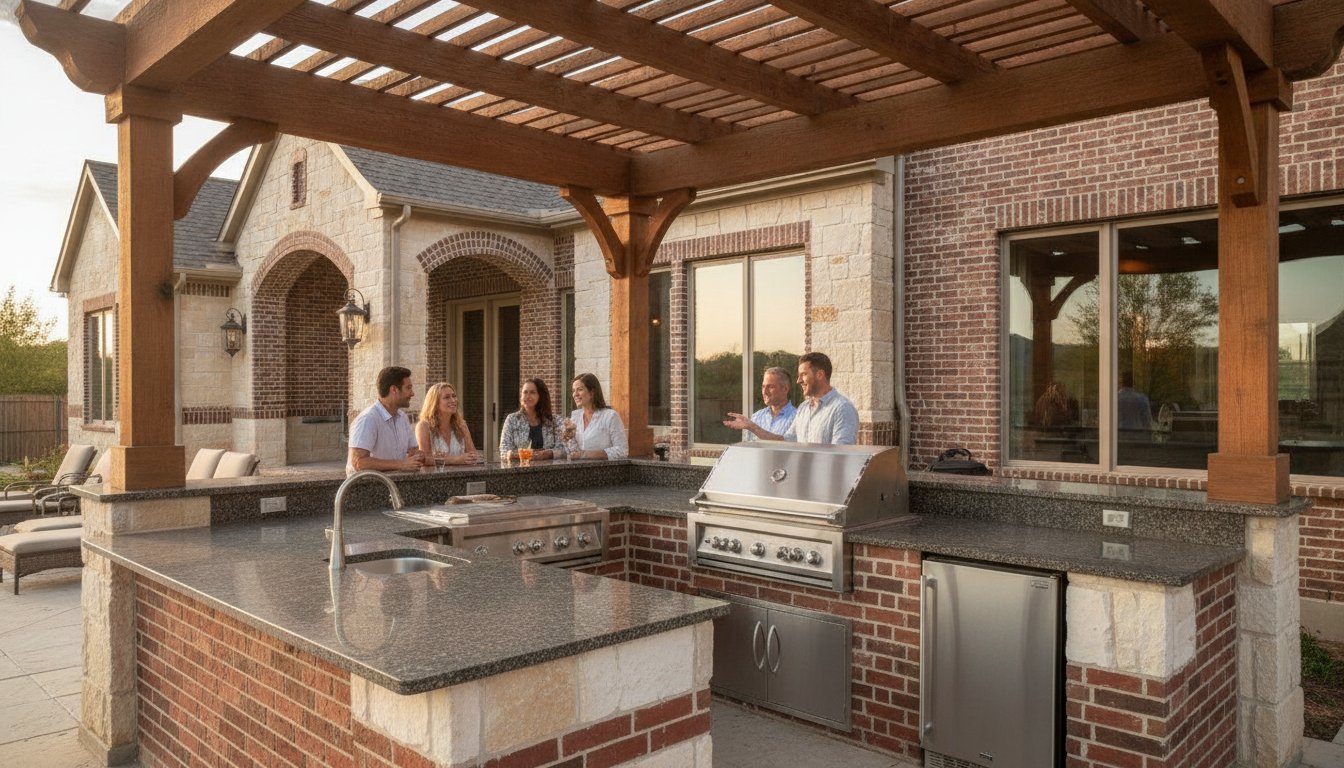
The “Texas Heat” isn’t just a comfort issue; it’s a structural one. Effectively managing high-end outdoor kitchen and patio projects requires sophisticated planning for heat dissipation and HVAC integration. A unified team ensures that your patio covers or screened porches blend seamlessly with your home’s existing systems. This avoids the common mistake of adding a beautiful outdoor space that inadvertently strains your indoor cooling capacity. This level of meticulous planning is what separates a long-lasting addition from a temporary fix.
Local Permitting and Regulatory Expertise
Building codes vary significantly between municipalities. Knowing the specific requirements in Keller versus Fort Worth is essential for a smooth project timeline. For instance, the City of Keller has adopted the 2021 International Codes, which impact everything from energy conservation to electrical standards. Our team handles these administrative tasks, including the often-tedious process of securing HOA approvals and navigating architectural review committees. Having a 25-year history with local municipal offices provides the steady hand needed to move your project through the regulatory pipeline without unnecessary delays.
Specialized Residential Applications: From ADUs to Additions
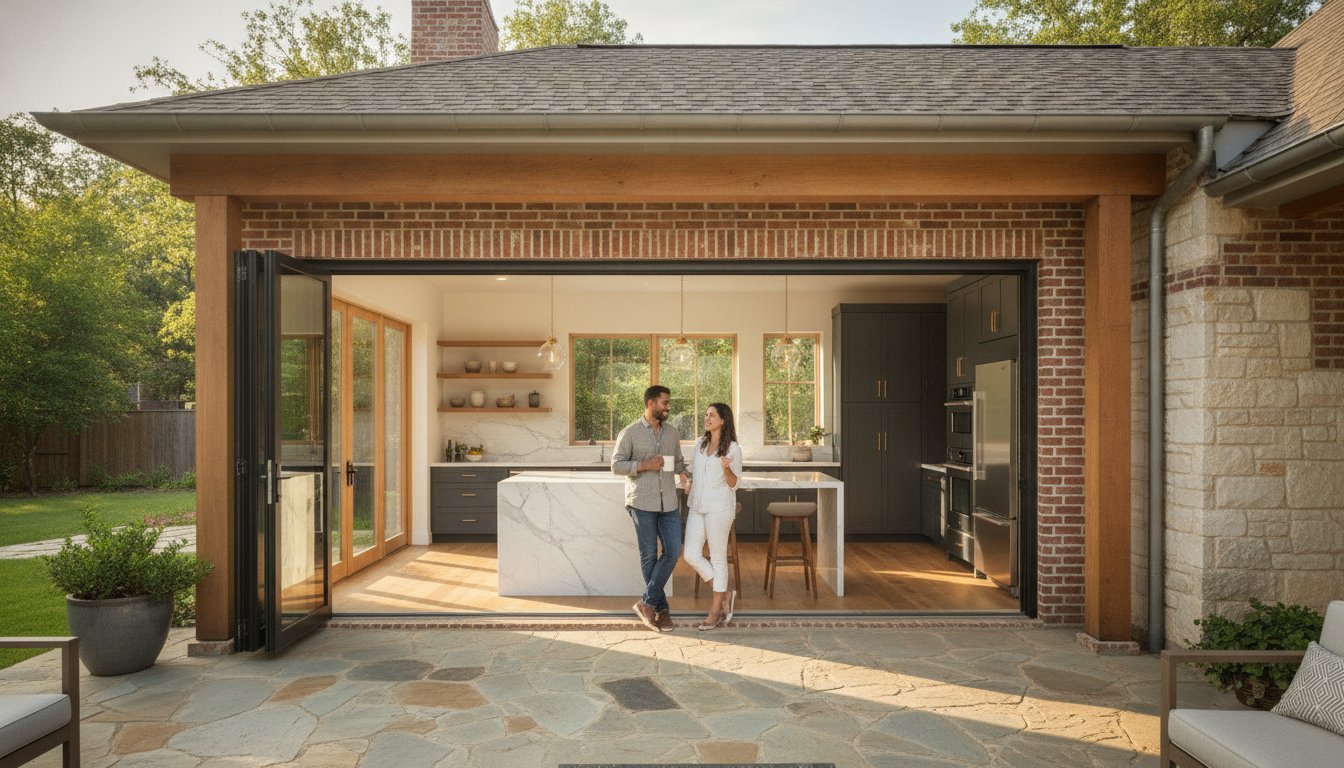
Complex projects like second-story additions or accessory dwelling units (ADUs) demand a high level of architectural continuity. This is exactly why design-build is the preferred choice for home addition contractors in Fort Worth. Removing structural walls to create an open-concept floor plan requires a builder who was present during the design phase to verify load-bearing realities. Whether you are adding a garage or expanding your living space, a unified team ensures the new structure looks like it was always part of the original home. If you’re ready to expand your property with confidence, start your project consultation with us today.
Selecting the Right Design-Build Partner in Keller and Beyond
Choosing a partner for your custom build or structural renovation is a decision that impacts your family’s daily life for years to come. By now, you understand what is a design-build construction company and how it streamlines the path from concept to completion. However, the success of your project depends heavily on the specific firm’s technical depth and local reputation. You need a team that doesn’t just offer aesthetic updates but possesses the discipline to manage complex structural work. Look for a partner with a robust portfolio of regional projects that demonstrate long-term durability and meticulous planning.
Inquire specifically about their design capabilities. Some firms maintain an in-house team, while others foster established partnerships with local architects. Both can be effective, but the key is a unified flow of work. You want a builder who is involved during the earliest sketches to ensure material feasibility. This prevents the common heartbreak of falling in love with a design that is structurally impossible or financially out of reach. Transparency in communication is the cornerstone of a successful partnership. If a firm is hesitant to discuss their process or their past challenges, they may not be the reliable advocate you need.
Vetting Your Contractor: Questions to Ask
Conducting a thorough professional consultation helps you identify the firm’s level of organization. Use these specific questions to gauge their reliability:
- Do you offer a fixed-price contract or a cost-plus model?
- Who will be my primary point of contact from design through warranty?
- Can you show examples of similar home additions in Keller, TX?
A firm that provides clear, direct answers demonstrates the technical confidence you should expect. They should be able to explain how they manage Tarrant County’s unique soil conditions and how they handle the administrative burden of local building permits. This clarity ensures that you aren’t left guessing about the status of your investment.
The Value of a Neighborly Professional Approach
Prioritize local, family-owned firms that view their work as a form of community service. Choosing a builder who is deeply invested in the North Texas landscape ensures a shared investment in the outcome. There is a sense of pride and civic duty that comes with building for your neighbors. This atmosphere of integrity is often missing in larger, transactional companies. At PRO Construction, our 25 years of experience in the region serves as a testament to our dependability. We value long-term trust over high-pressure sales. This grounded approach provides the ultimate peace of mind, knowing your project is managed by experts who care about the longevity of your home and the quality of our community.
Build Your Future on a Foundation of Trust
Navigating a major home project doesn’t have to be a source of constant anxiety. By choosing a unified approach, you replace the traditional friction of the building industry with a partnership focused on your family’s peace of mind. You now have a clear understanding of what is a design-build construction company and why this model is the gold standard for achieving budget certainty and timeline efficiency in 2026. This method ensures that your architectural vision remains tethered to structural reality from the very first day.
At PRO Construction, we bring over 25 years of local industry experience to every project. As a local Keller business with elite industry performance metrics, we specialize in complex structural renovations and custom builds that stand the test of time. We take pride in managing every administrative and technical detail; this allows you to focus on the excitement of your home’s transformation. Ready to start your design-build journey? Contact PRO Construction today for a consultation. We look forward to building something lasting together in our community.
Frequently Asked Questions
Is a design-build company more expensive than a traditional contractor?
A design-build model often provides better total value by preventing the mid-project cost spikes common with traditional bidding. By aligning the budget with the design from day one, you avoid paying for plans that are too expensive to build. This approach focuses on the total investment and reduces the likelihood of expensive change orders. It is a more predictable way to manage a major financial commitment.
Do I need to hire my own architect if I use a design-build firm?
You don’t need to hire a separate architect when working with a design-build firm. These companies provide a single contract that covers both the creative and technical phases of your project. This unified structure is at the heart of what is a design-build construction company, as it places the designer and builder on the same team. This collaboration protects your vision and ensures the plans are buildable.
What happens if I already have a set of plans from an outside designer?
Most design-build firms can work with outside plans, though they will perform a thorough feasibility review before construction begins. This step ensures the drawings align with current Tarrant County building codes and your specific budget. It is a professional safeguard that identifies potential structural issues before they become expensive field changes. This review maintains the integrity of the project and ensures a smooth transition to construction.
How long does the design phase usually take in a design-build project?
The design phase duration depends on the complexity of your project, typically ranging from a few weeks for a custom deck to several months for a custom home. This period includes discovery, conceptual sketches, and the detailed engineering required for city permits. Taking the time to plan meticulously during this phase prevents delays once construction starts. It is the most critical time for ensuring long-term durability.
Can design-build be used for smaller projects like a bathroom remodel?
While the design-build model is effective for any project requiring architectural planning, it is most beneficial for complex structural work and additions. For projects like ADUs or garages, the unified approach ensures the new structure integrates perfectly with your existing home. Our firm focuses specifically on structural renovations and outdoor living rather than minor interior updates. This ensures our technical expertise is applied where it provides the most value.
How does the design-build model handle change orders during construction?
Change orders are significantly reduced in the design-build model because the builder identifies potential construction hurdles during the design phase. When the person drawing the plan is also responsible for building it, there is less room for misinterpretation. This creates a more predictable experience for the homeowner and maintains the integrity of the project timeline. Understanding what is a design-build construction company helps homeowners appreciate this streamlined accountability.
What are the biggest risks of the design-build method for homeowners?
The primary risk of the design-build method is the lack of an independent third-party check between the designer and the builder. This makes selecting a reputable, local firm with a long history of integrity essential for your peace of mind. You must trust your partner’s technical expertise and their commitment to transparency. A dependable firm acts as your sole advocate throughout the entire building lifecycle, from the first sketch to the final warranty.
Does design-build work for outdoor living structures like custom decks and pergolas?
Design-build is an excellent choice for outdoor structures like custom decks, pergolas, and outdoor kitchens. This model ensures these features are structurally integrated with your home’s existing architecture rather than just being added on. It allows for precise planning of electrical and gas lines for fireplaces or kitchens. This meticulous approach ensures your outdoor living space is as durable and stable as the main house itself.
Disclaimer
Disclaimer: This material is for informational purposes only. While our automotive search engine optimization (SEO) strategies are designed to improve online visibility and foot traffic, we do not guarantee specific search engine rankings, website traffic volume, or vehicle sales. Search engine algorithms change frequently, and results will vary based on market competition, dealership location, website history, and other factors outside of our control. Case studies or past performance metrics shared in this material are examples of prior success and do not guarantee future results.